
Living a little above Marbella doesn't necessarily mean compromising on convenience. Las Lomas de los… more

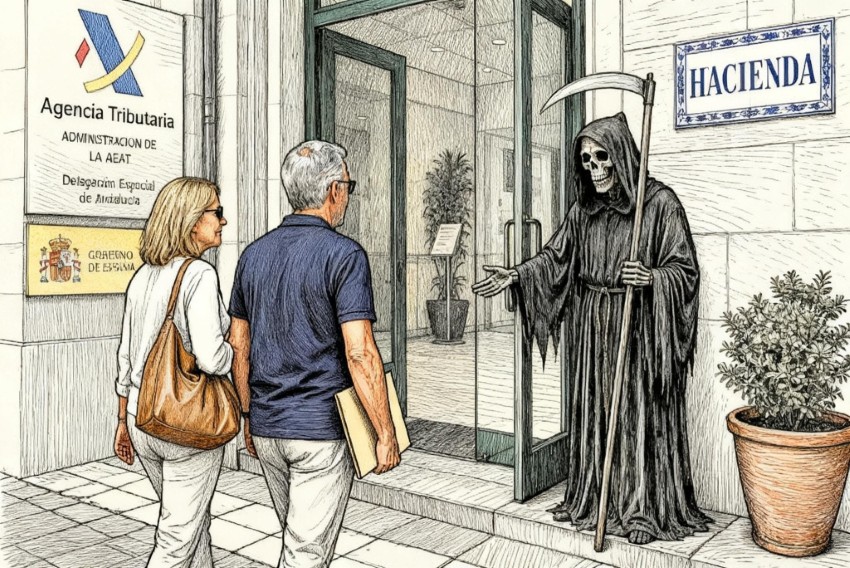
"Tax is part of life!"
Seriously though, if you are a resident planning to sell your property in southern Spain, it’s important to be aware of the costs and taxes involved. This guide is designed to help you understand what to expect so there are no surprises. If you’re a non-resident, please click here for the relevant guide.
Capital Gains Tax is based on the increase in value of the property during your ownership, after taking into account allowable purchase and selling costs and qualifying improvements supported by valid facturas.
For Spanish tax residents, Capital Gains Tax is calculated under the applicable savings income tax rates rather than as a single flat rate. Your lawyer or tax adviser will calculate your individual liability.
Residents aged over 65 who sell their main residence may be exempt from Capital Gains Tax, subject to the relevant conditions.
Plusvalía Municipal is a local tax charged by the Town Hall and relates to the increase in the value of the land during your period of ownership.
The amount depends on the circumstances of the property and the period of ownership. In some cases where there has been no increase in land value, no Plusvalía may be payable.
We can help with an initial indication of the likely amount using your purchase date and a recent IBI receipt, but your lawyer or tax adviser should confirm the final liability.
Agency fees: 5% + IVA, payable only upon successful sale
We operate on a No Sale – No Fee basis. If you withdraw your property from the market, you owe us nothing.
If you still have a mortgage, or had one that was repaid but was never formally cancelled at the Land Registry, there may be costs involved in completing the cancellation.
These can include bank, Notary and Land Registry costs, together with any applicable mortgage redemption fee.
Bring this up with your lawyer early so that the position can be checked and dealt with before completion.
IBI, basura and normal community fees should usually be brought up to date before completion. If an amount is still outstanding, this does not necessarily prevent the sale. Your lawyer can normally arrange for it to be paid or, where appropriate, for sufficient money to be retained from the purchase price at completion so that the outstanding liability can be settled.
A community may also approve a derrama. This is an extra payment, separate from the normal community fees, to pay for specific works or improvements, for example refurbishing the swimming pool, repairing the building or making changes to the communal gardens.
If a derrama has been approved, it is important to disclose it when selling. The buyer's lawyer will normally check the position with the community, so it is much better for everyone to know about it from the outset. Under Spanish law, each payment is the responsibility of whoever owns the property when that particular payment becomes due, although outstanding or future payments can also form part of the negotiations between buyer and seller. Your lawyer can check the payment schedule and make sure whatever is agreed is properly dealt with before completion.
To ensure a smooth sale:
If you don’t yet have a lawyer, we’re happy to recommend one.
Selling a property naturally raises questions. We've brought together answers to many of the questions sellers regularly ask us.
