
A look at what “needs modernising” really means in practice, and how to judge what level of work a property actually needs.
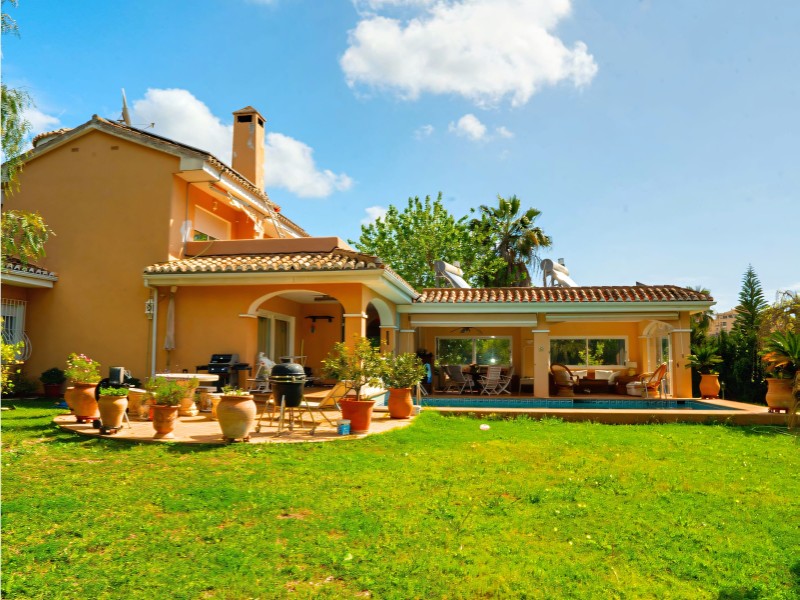
The above photo shows a four-bedroom villa in Elviria, Marbella, which was built in 1993 and is currently on the market and described as being in need of modernisation.
The term "needs modernising" or "in need of renovation" is one that we see often in property descriptions and it can mean very different things depending on who you ask and what your point of view is. I sometimes see properties advertised as needing modernising and when I look at them there is very little that I personally would do in order to change them, and this brings forward the clear point that what "needs modernising" really does depend on who you ask.
For some buyers modernising may mean a fresh coat of paint and a new kitchen, but for others it could well mean taking everything back to basics and starting again. The honest reality probably sits somewhere in between the two. Therefore, as a starting point it is probably best to think in terms of levels of modernisation or updating on a fluid scale rather than as fixed entities.
As a starting point, "in need of updating" is usually where a property is fundamentally sound but feels a little bit tired. Decoration and maybe floors, bathrooms, and kitchens may need some attention but overall the layout works well and the quality and condition of the structure of the property is not in question.
Moving on a step, there is what we could call a functional renovation. This is where more substantial work is required and in addition maybe the windows need replacing. Electrical, heating and plumbing services and installations need updating and maybe some adjustments are necessary to how the space is used in order to fit in with a modern lifestyle.
At the extreme there is what we would consider to be a full renovation or refurbishment. This can often involve reconfiguring the layout entirely, changing how the rooms connect and, in some cases, taking the property back to the bare shell before rebuilding again.
It is fair to say that the current trend leans towards fully open plan contemporary interiors with open concept kitchens and in many cases just one large living area. This approach can work well with the right property but it is not always the most obvious, or best, solution and sometimes for family living open plan is just not that practical.
Some homes were designed and built with a certain balance and character which can be wiped out if everything is stripped back and rebuilt without much thought. What starts off as modernising can turn into creating a completely different product that maybe doesn't work as well as the original.
The four-bedroom villa shown in Elviria is a good example. It was built in 1993, is a solid traditional property sitting in a large plot but undeniably it feels tired in places. The question is not simply how much work it needs but what kind of work actually makes sense.
This home could be updated in a fairly straightforward way, improving the kitchen, bathrooms and finishes while keeping the overall layout and feel of the house the same. On the other hand a different buyer might walk in and take a completely different approach and want to try and turn it into a more contemporary open plan home.
It is fair to say that neither approach is automatically right or wrong. It very much depends on the buyer and of course what the property naturally lends itself to and what the current demands are in the marketplace.
From a seller's point of view this is also very much worth bearing in mind. There is sometimes a temptation to carry out major works before coming to the market to try and give the property more street appeal but that is not always necessary. Every buyer will have a different idea and will place a different value on the work that has been done. In many cases it makes more sense to price the property correctly and let the buyer make the decisions as to what they are looking for and what would make the most sensible route for them.
There are also circumstances where a property might need a relatively simple repair, for example eradication of some damp staining around windows. The cost of this might not be that great but, for a potential buyer looking at it, the fear of what the repairs might cost might mean that they would need to make a greater allowance on the price in order to be sure that they are covered for all possibilities.
In the end the terms "needs modernising", "in need of renovation" or "needs updating" are less about a fixed definition and more about understanding potential. The key is to look at the property as it is and to consider what it could become, combined with what you actually need, and then decide how far it makes sense to go.
If you would like a second opinion on how your property might be positioned and whether work is worth doing before selling feel free to get in touch. We are always happy to talk it through with you.